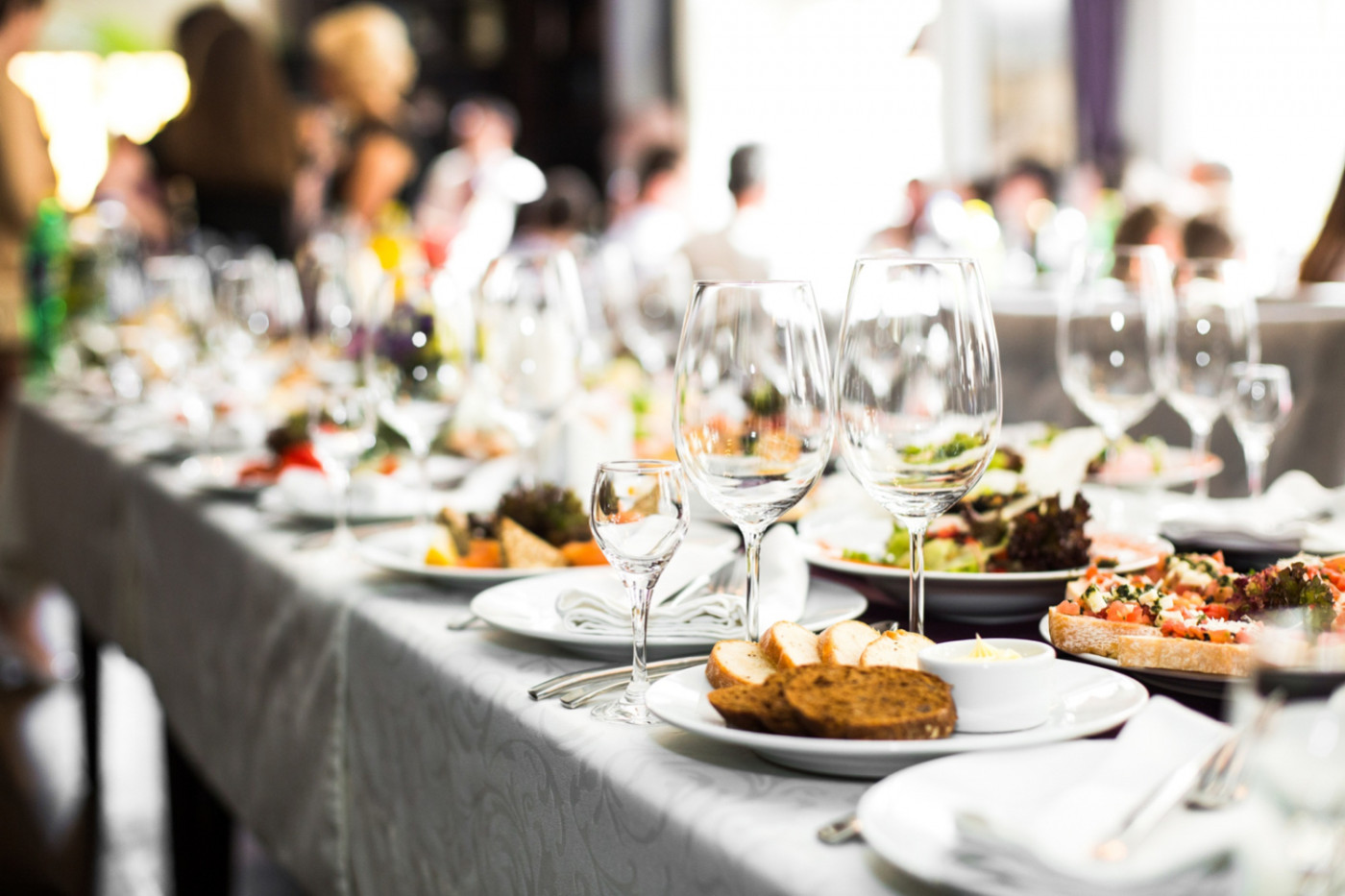
The term"Fine Dining"refers to a seamless and sophisticated culinary experience. To truly embody this concept, a high-end restaurant must meticulously integrate and design every element—from the overall ambiance to the composition of each dish.
In practice, this encompasses a comprehensive range of considerations, includingspatial planning, interior design style, service etiquette, menu presentation, beverage selection, ingredient sourcing, and culinary creativity.Every detail is carefully curated to present a refined and harmonious journey for the guest.
Michelin Stars
The Michelin Guide and Beyond
In Taiwan, the most recognized standard for fine dining is theMichelin Guide, which includes both high-end Michelin stars and the more accessibleBib Gourmand recommendations. The 2026 Taiwan guide covers Taipei, Taichung, Tainan, Kaohsiung, New Taipei City, Hsinchu County, and Hsinchu City.
However, fine dining is not defined by Michelin alone. International benchmarks such asGault & Millau,The World's 50 Best Restaurants, andGambero Rossooffer diverse perspectives on culinary excellence. Beyond these global accolades, fine dining is ultimately a personal experience—everyone has their own vision of what constitutes a "Fine Dining" or high-end restaurant.Modern and Diverse Fine Dining
Modern Fine Dining: A New Era
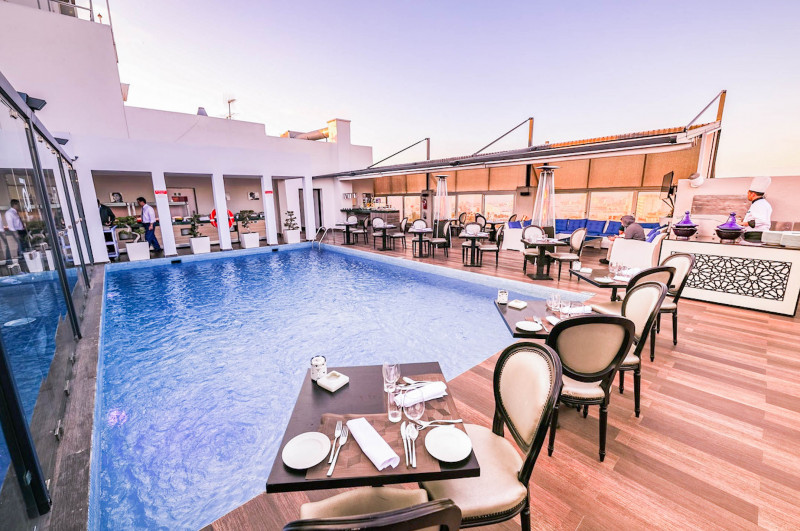
As culinary culture evolves, fine dining has moved beyond traditional, rigid etiquette into a diverse landscape of expression. While some establishments maintain strict French orthodoxy, others focus ontheatrical presentation, local heritage, or cutting-edge innovation.Influenced by social media, modern high-end restaurants now range from classic and elegant to relaxed or even avant-garde and flamboyant.Five-star Hotel Dining Environment
Fine Dining in Yilan
Yilan offers different ways to enjoy a special meal, including hotel restaurants, banquet dining, and smaller restaurants with individually served courses.
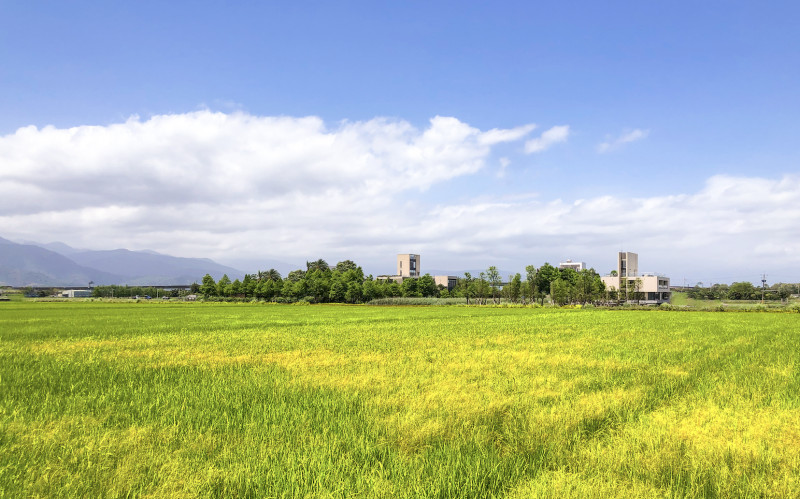
At LOHERB Cuisine, carefully prepared dishes and attentive service meet a peaceful setting. The LOHERB grounds in Yilan have bald cypress trees, an ecological pond, and a small garden farm, with convenient road access.
The menu brings together the kitchen team’s experience and the nutritional perspective of owner Dennis. Local flavors and the natural setting inspire a meal that is visually thoughtful, flavorful, and comfortable to enjoy. Here are some of its defining touches.
Seasonal, Local Flavors
LOHERB Cuisine follows the seasons, drawing out the natural flavors of ingredients and bringing them together in new combinations. The menu changes as seasonal produce becomes available.
A Relaxed Experience
A good meal is also a chance to slow down. Our team offers thoughtful service with a friendly manner, helping guests feel comfortably looked after in the peaceful LOHERB grounds.
Fresh Garden Ingredients
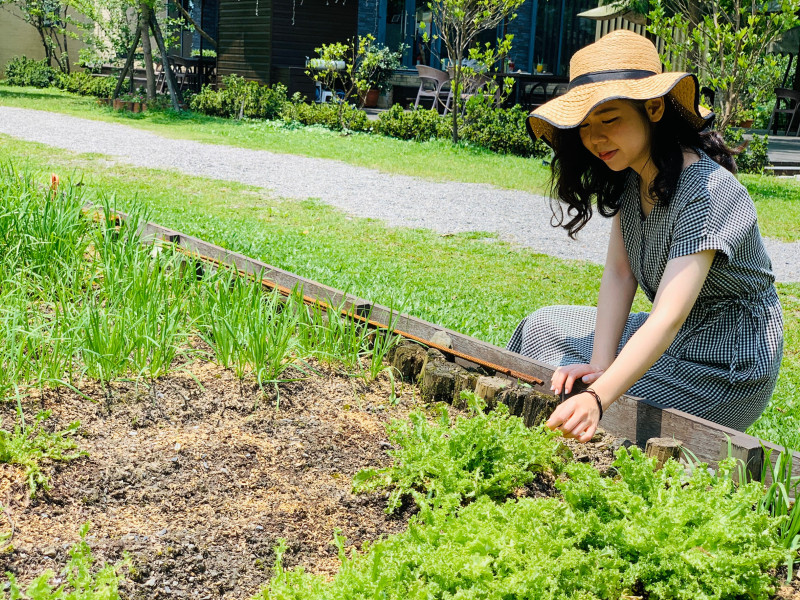
LOHERB Cuisine has a small farm with ingredients and edible flowers. Seasonal herbs and flowers add flavor and color to dishes; good ingredients are the starting point for the kitchen’s work.The LOHERB garden farm
French-Inspired Presentation
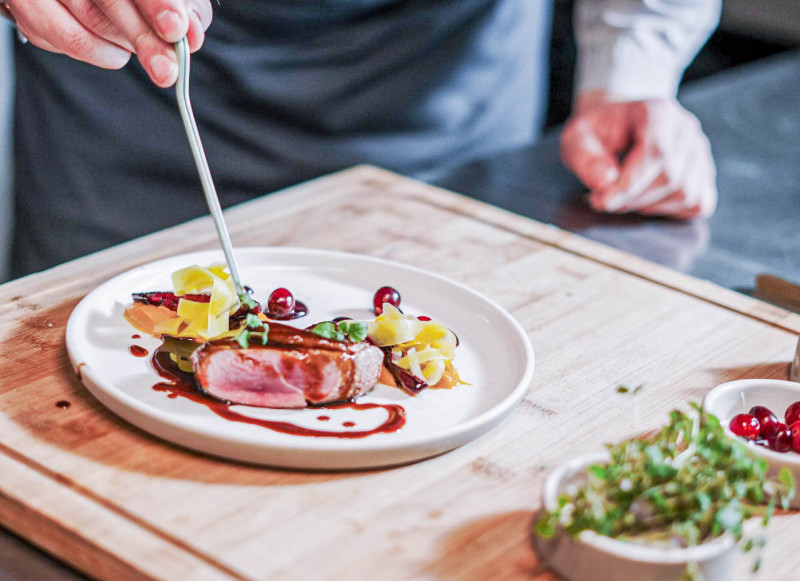
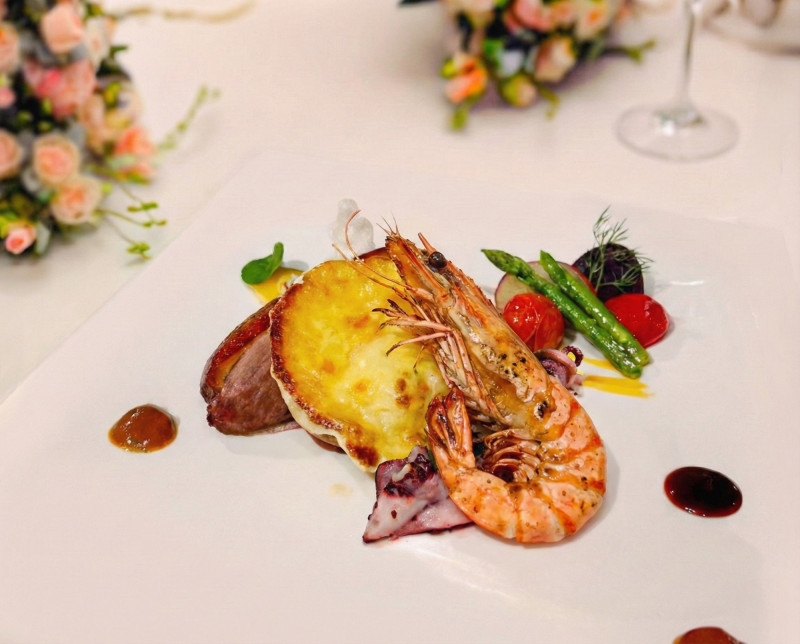
The kitchen uses techniques such as foams, spherification, and freeze-drying to give ingredients new textures and forms. The plating takes inspiration from the natural setting around LOHERB.
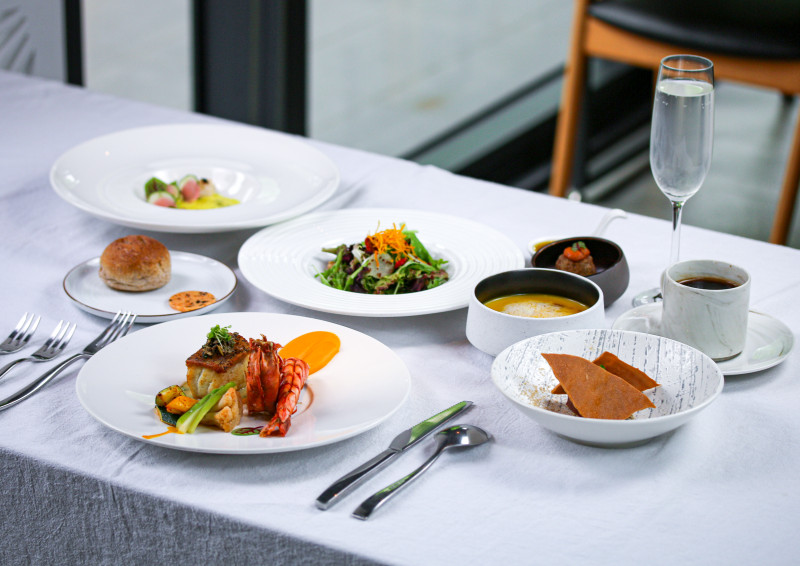
Surf-and-turf meal
A Bright, Elegant Setting
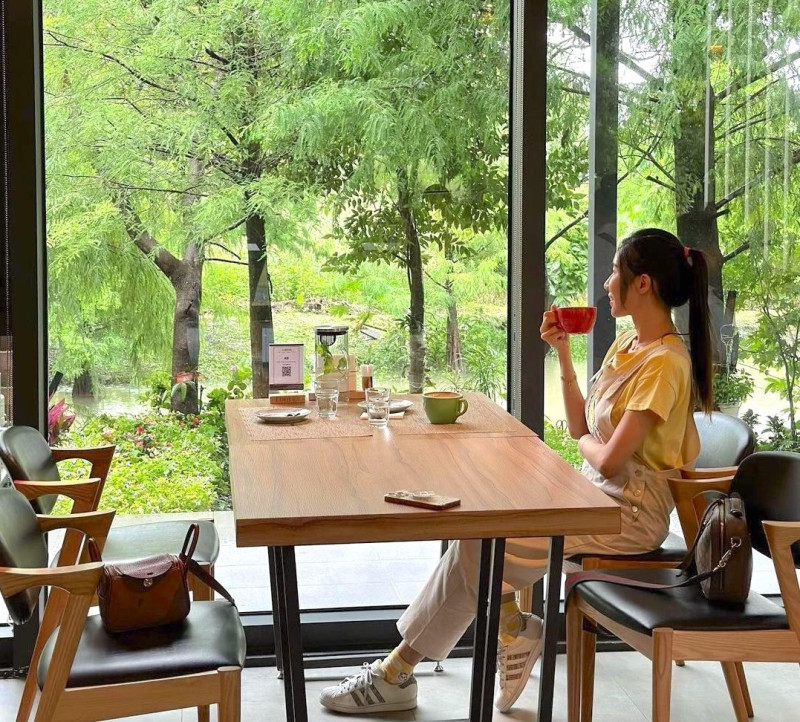
Large windows bring natural light and garden views into LOHERB Cuisine. Warm wood tones and a modern interior create a comfortable place to enjoy your meal.Garden views through floor-to-ceiling windows
Easy On-Site Parking
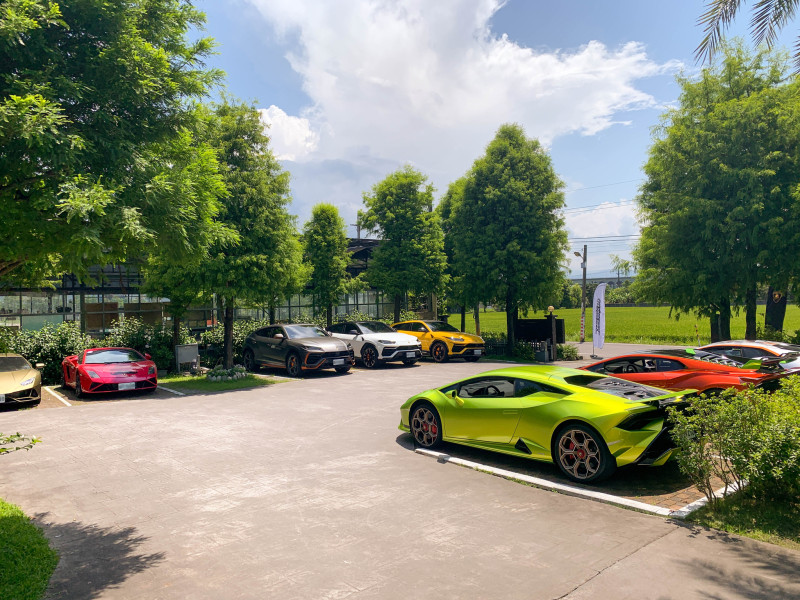
LOHERB Cuisine has spacious on-site parking, making arrival easy for a meal or an event.
-web.jpg)